Collateralized Borrowing: LTV Ceilings & Regulatory Safeguards
Secured borrowing allows asset owners to monetize illiquid investments without executing distress liquidations or triggering capital gains taxes. By pledging collateral, borrowers access significantly lower interest rates than unsecured personal credit lines.
To mitigate asset volatility and ensure banking stability, the Reserve Bank of India (RBI) and National Housing Bank (NHB) enforce strict **Loan-to-Value (LTV)** boundaries. This **LIC Loan Value Calculator 2026** models exact collateral borrowing ceilings and down-payment/haircut obligations across all primary Indian asset categories.
Comparative LTV Matrix Across Indian Asset Classes
| Collateral Class | Max Permissible LTV | Required Haircut / Margin | Underlying Rationale |
|---|---|---|---|
| LIC Policy Surrender Value | 90% (80% paid-up) | 10% - 20% | Guaranteed sovereign cash value; zero price volatility. |
| Residential Home (≤ ₹30L) | 90% | 10% | Affordable housing priority lending framework. |
| Residential Home (> ₹75L) | 75% | 25% | Prudential high-ticket risk management. |
| Sovereign Gold Bonds (SGB) | 75% | 25% | Sovereign backing with 30-day moving gold price hedge. |
| Residential Plots | 70% | 30% | Land boundary verification and municipal zoning checks. |
| Commercial Real Estate | 55% | 45% | High tenancy fluctuation and illiquid resale market. |
| Equity Mutual Funds | 50% | 50% | RBI mandate to prevent margin calls during equity crashes. |
Lien Marking & Mortgage Creation Protocols
Every collateral type involves a specific legal perfection process:
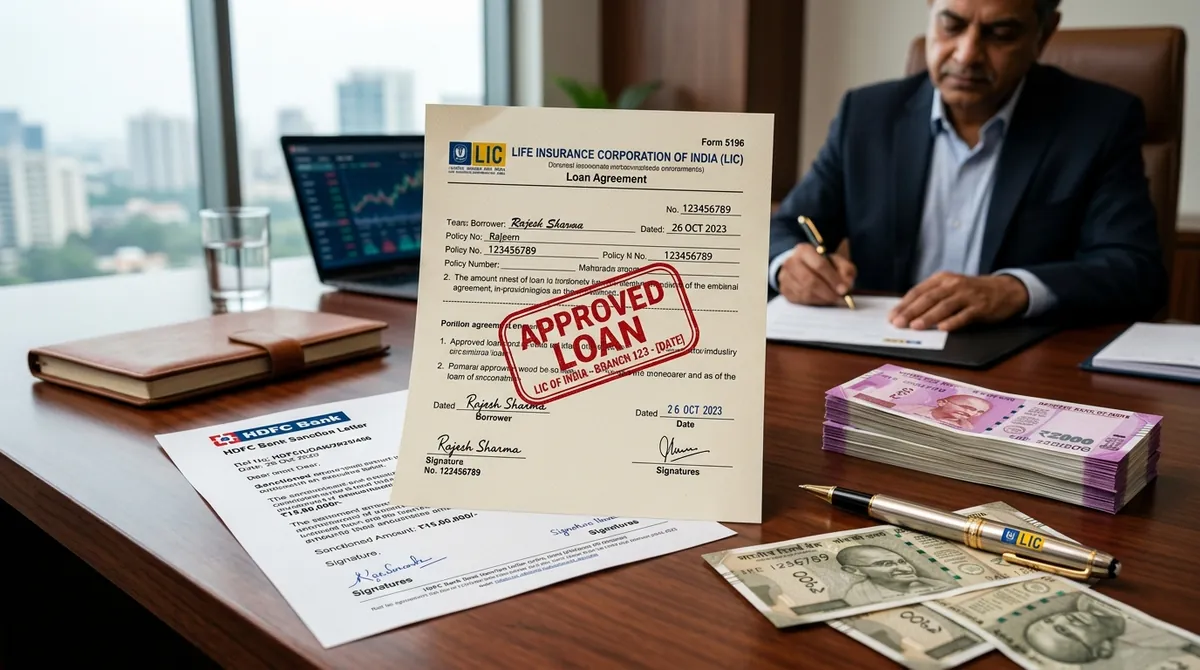
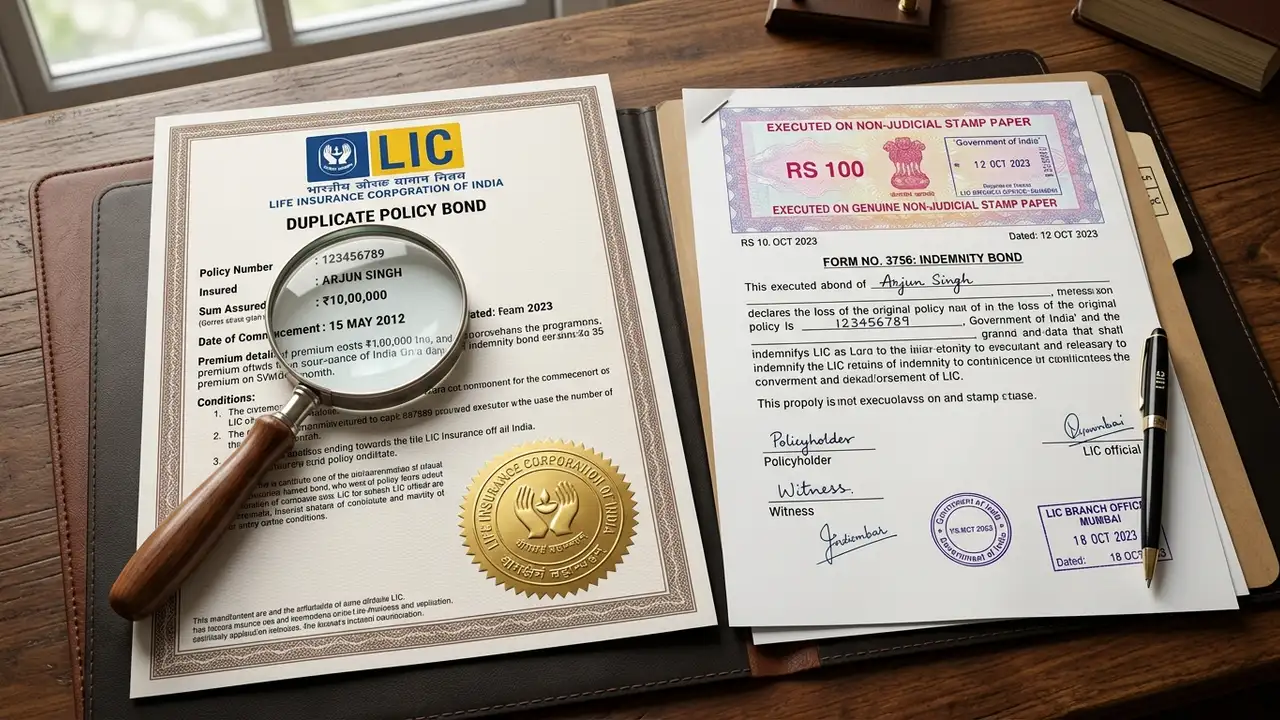
- LIC Policies: Policy bond is physically assigned to LIC of India under Section 38 of the Insurance Act, creating a direct statutory lien.
- Real Estate:Executed through a Memorandum of Deposit of Title Deeds (MODT) registered at the Sub-Registrar's office, creating an equitable mortgage.
- Demat Securities: Processed electronically via NSDL/CDSL depository pledge mechanisms, preserving your dividend/coupon earnings while freezing tradeability.
Frequently Asked Questions (FAQ)
Which collateral asset offers the highest Loan-to-Value (LTV) ratio?
LIC policy surrender values offer the highest borrowing ratio at 90% LTV on in-force contracts, followed by affordable residential properties (up to ₹30 Lakh) which also permit up to 90% LTV under RBI housing guidelines.
Why is the LTV on commercial property significantly lower than residential property?
Commercial properties (shops, offices, industrial spaces) carry higher market volatility, tenant vacancy risks, and lower liquidity during distress sales. Consequently, RBI and lenders cap Loan Against Property (LAP) on commercial real estate at 50% to 60% LTV.
What is the regulatory LTV cap for borrowing against Equity Mutual Funds?
Under RBI guidelines, loans against equity mutual funds or listed shares are capped at a strict 50% LTV. This 50% haircut protects both the borrower and the lender from abrupt stock market drops triggering margin calls.
How does LIC evaluate property value when sanctioning a mortgage loan?
LIC HFL engages independent registered valuers who conduct physical property inspections to assess the fair market value, construction stage, and legal compliance. The sanctioned loan amount is based on the lower of the agreement value or the independent valuation report.