LIC Salary Saving Scheme (SSS): Corporate Payroll & Actuarial Guide
The LIC Salary Saving Scheme (SSS) is an institutional facility created by the Life Insurance Corporation of India to empower salaried corporate and government employees to build systematic savings and secure comprehensive life protection through convenient, automated payroll deductions.
In standard retail insurance, paying premiums monthly is penalized: LIC applies a 5% modal loading surcharge to account for increased administrative overhead. However, under the Salary Saving Scheme, LIC completely waives this 5% penalty, giving salaried workers the ultimate financial flexibility—the convenience of paying small monthly installments at the lowest possible base tabular rates.
Institutional Setup: Employer Duties & The PA Code
For an employee to access SSS benefits, the employer must formalize a tie-up with LIC:
LIC issues an official PA Code to the company or government department. The payroll department deducts premiums from participating employees' monthly salaries and transfers one consolidated demand draft or electronic batch to LIC.
The employee signs an authorization letter (Form 520) instructing the employer to deduct the exact monthly insurance premium and forward it to LIC, ensuring continuous policy maintenance without missed payments.
Job Resignation & Employer Transition Protocol
Critical 30-Day Transition Window
When an employee changes employers, resigns, or retires, the original employer immediately stops payroll deductions. The policy does not automatically cancel, but it will lapse into unpaid status if left unserviced. The policyholder must visit their servicing branch within 30 days to execute one of two options:
- Transfer to New Employer: If the new company has an active LIC PA Code, submit an SSS transfer form.
- Convert to NACH / Direct Mode: Submit a bank mandate form to convert the policy into automatic bank auto-debit (NACH) or switch to quarterly/half-yearly payment cycles.
Statutory GST & Form 16 Tax Treatment (FY 2026-27)
GST Application Rules
- Year 1 Monthly Installments: 4.5% statutory GST (2.25% CGST + 2.25% SGST).
- Year 2 Onwards: 2.25% statutory GST (1.125% CGST + 1.125% SGST).
Direct Form 16 Section 80C Credit
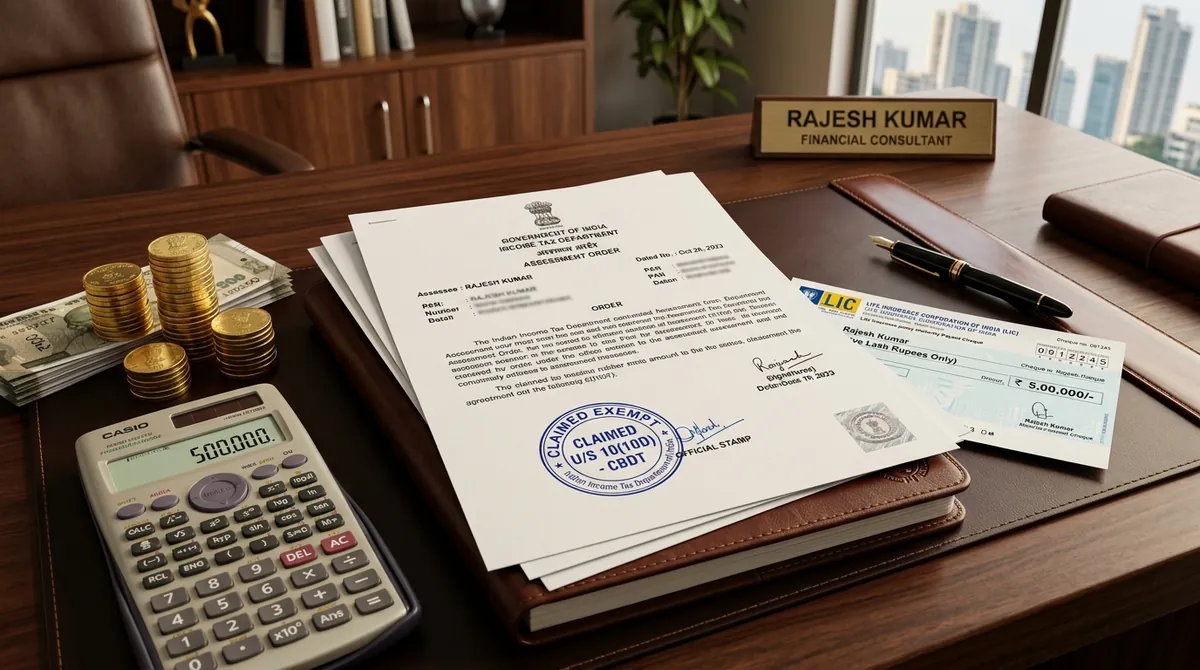
Because SSS premiums are processed through the corporate payroll ledger, the human resources department automatically factors the deductions into your annual Form 16 calculation, instantly decreasing monthly salary TDS withholdings under Section 80C.
Frequently Asked Questions (FAQ)
What is the primary financial advantage of the LIC Salary Saving Scheme (SSS)?
Under regular monthly mode, LIC levies a 5% modal surcharge on the tabular premium. However, under the Salary Saving Scheme (SSS), this 5% monthly surcharge is completely waived by LIC, allowing corporate employees to enjoy the affordability of monthly payments at the exact base tabular rate.
How does premium deduction operate under LIC SSS?
Your employer registers with LIC to receive a unique Principal Officer / Paying Authority (PA) Code. Every month, the human resources or payroll department deducts the exact premium from your salary slip and remits a consolidated demand invoice directly to LIC.
What happens to my LIC SSS policy if I change jobs or resign?
Upon leaving your employer, the automatic salary deduction stops. You must visit your servicing LIC branch within 30 days to either: 1) Transfer the policy to your new employer's PA Code, or 2) Convert the policy to standard Electronic Clearing Service (NACH auto-debit) or quarterly/yearly direct payment mode to prevent policy lapse.
How are tax deductions claimed for LIC SSS premiums?
Because premiums are deducted directly from your payroll, the employer automatically includes the amounts in your Form 16 under Section 80C deductions, directly reducing your monthly Tax Deducted at Source (TDS) without requiring manual submission of premium receipts.
Which LIC policies are eligible under the Salary Saving Scheme?
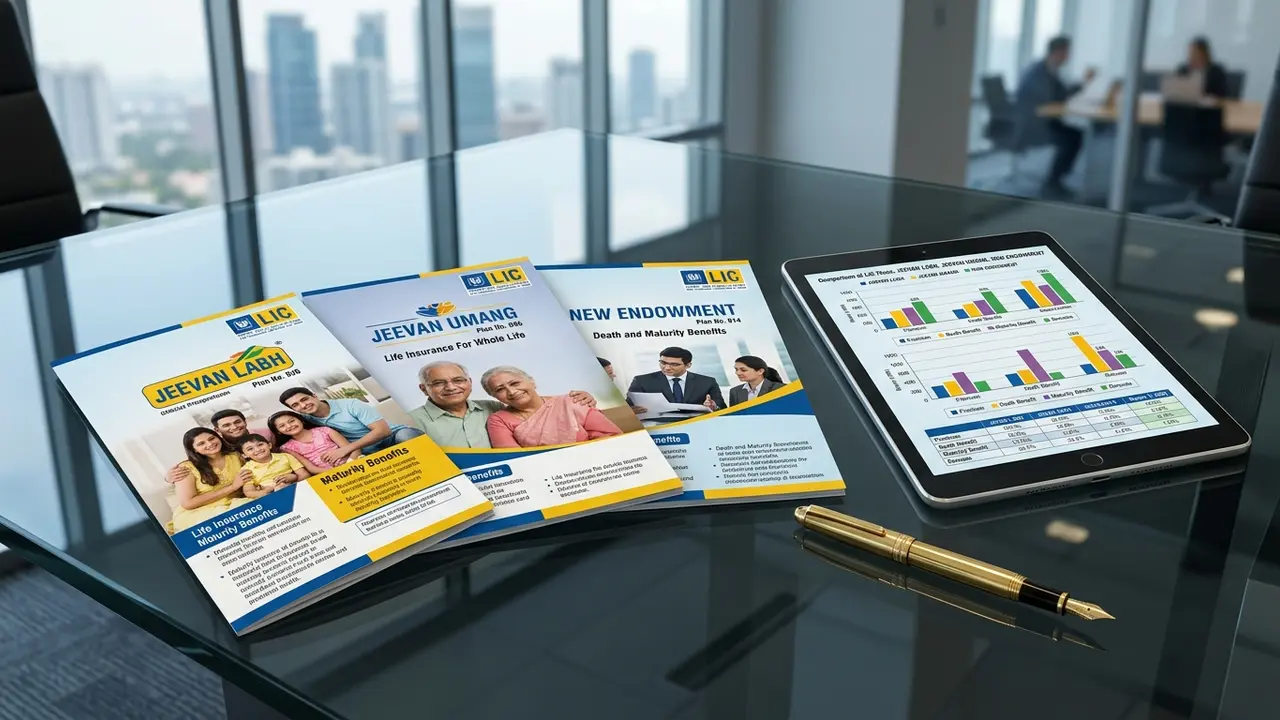
Almost all major individual life insurance policies—including New Endowment (Plan 914), New Jeevan Anand (Plan 915), Jeevan Labh (Plan 936), Jeevan Umang (Plan 945), and child future plans—can be purchased under the Salary Saving Scheme.
Reconciliation of SSS Demand Lists & Gap Premium Handling
Because SSS relies on monthly payroll synchronization between the employer and LIC, occasional billing gaps can arise:
- Monthly Demand Invoices: LIC generates a monthly demand list sent to the employer's payroll officer. The employer deducts the amounts and deposits them as a single bulk credit.
- Leave Without Pay (LWP) Gaps: If an employee takes unpaid leave, deductions cannot occur. The employee must pay the missed 'gap premium' directly at any LIC branch within the grace period to prevent default.
- Continuous Bonus Vesting: As long as employer deductions remain synchronized, SSS policies enjoy full participating bonus vesting and uninterrupted death cover.