How Home Loan Prepayment Slashes Lifetime Interest
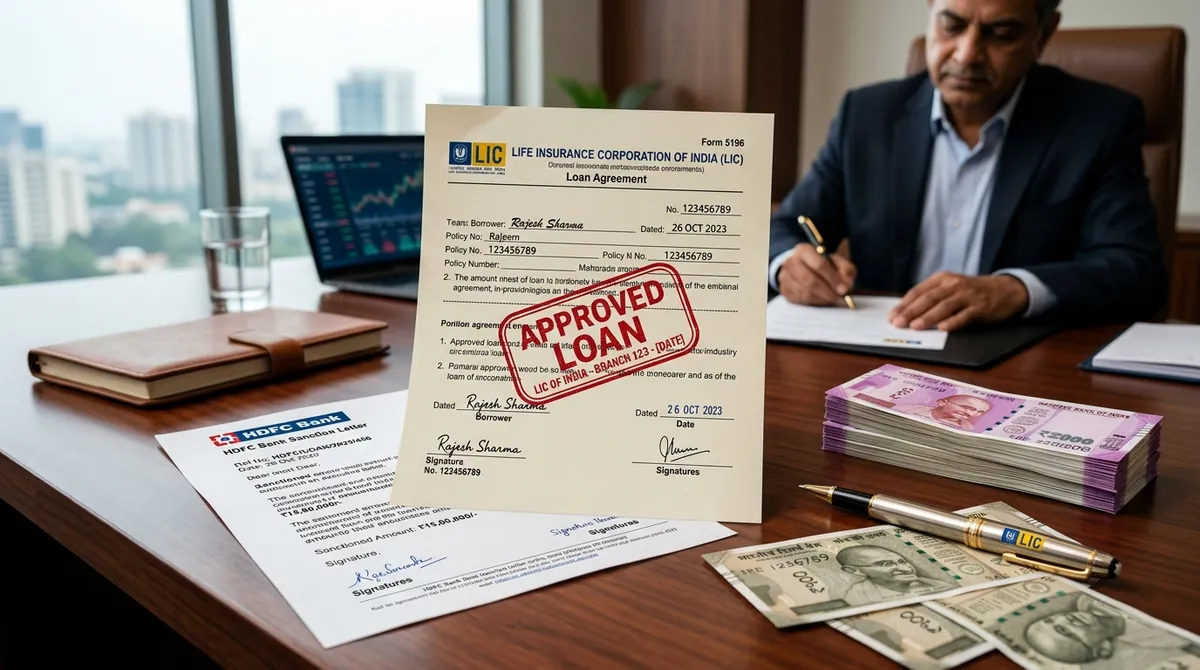
A standard 20 to 30 year residential mortgage is structured so that during the initial decade, the majority of every monthly installment (Equated Monthly Installment - EMI) is absorbed by interest charges. By deploying surplus liquidity—such as annual corporate bonuses, maturity proceeds from insurance policies, or tax refunds—into your LIC Housing Finance loan, you directly deduct the principal balance.
Because interest in Indian home loans is calculated on a reducing balance method, every single rupee prepaid instantly truncates subsequent compound interest accruals. This **LIC Home Loan Prepayment Calculator 2026** models both single lump-sum payments and periodic incremental monthly prepayments to quantify your exact interest saved and years eliminated.
RBI & NHB Zero Prepayment Penalty Mandate
Many borrowers hesitate to prepay out of fear of hidden foreclosure or prepayment fines. Under binding directives from the Reserve Bank of India (RBI) and the National Housing Bank (NHB):
Housing Finance Companies (HFCs), including LIC HFL, are strictly prohibited from charging any prepayment or foreclosure penalty to individual borrowers, regardless of loan age or payment source.
Borrowers can make part-prepayments as frequently as desired through LIC HFL online portal (HomY app) or physical branch cheques without lock-in delays.
Tenure Reduction vs. EMI Reduction: Which Strategy Wins?
When executing a part-prepayment with LIC Housing Finance, you are presented with two operational choices:
Strategy 1: Truncating Loan Tenure (Highest Financial Return)
By keeping your monthly EMI unchanged and directing the prepayment toward shrinking the tenure, you terminate future compounding cycles early. For a ₹40,00,000 loan at 8.50% for 20 years, prepaying ₹2,00,000 in Year 3 can save over ₹5.8 lakh in interest and cut the total repayment term by more than 2 full years.
Strategy 2: Lowering Monthly EMI (Cash-Flow Relief)
By keeping the remaining loan tenure fixed and lowering your future monthly EMI commitment, you enhance your monthly disposable cash flow. While this improves monthly budgeting, total interest savings are approximately 40% lower compared to the tenure reduction route.
Tax Deductions Under Section 24(b) and Section 80C
Prepayment decisions should be balanced against Indian Income Tax benefits for home loan borrowers opting for the Old Tax Regime:
- Section 24(b) Interest Relief: Deduction up to ₹2,00,000 per financial year for a self-occupied property. Prepayments that reduce your annual interest below ₹2,00,000 may reduce your tax shield.
- Section 80C Principal Relief: Principal repayments, including part-prepayments, qualify for deduction up to the ₹1,50,000 ceiling.
- New Tax Regime Note: Under the default New Tax Regime (Section 115BAC), deductions under 24(b) for self-occupied properties and 80C are not available, making aggressive prepayment purely beneficial with zero tax disincentive.
Frequently Asked Questions (FAQ)
Does LIC Housing Finance charge any prepayment penalty on home loans?
No. Under Reserve Bank of India (RBI) and National Housing Bank (NHB) regulations, housing finance companies including LIC HFL are strictly prohibited from charging prepayment or foreclosure penalties on floating-rate housing loans sanctioned to individual borrowers.
Is it better to reduce the EMI or reduce the tenure when prepaying a home loan?
Reducing loan tenure delivers significantly higher interest savings than reducing your monthly EMI. Maintaining your existing EMI while reducing tenure aggressively cuts down compound interest cycles across the remaining loan lifespan.
What is the best timing to make prepayments on an LIC home loan?
The most effective time to prepay is during the initial 5 to 7 years of a 20-30 year loan. Because Indian home loan amortization is heavily front-loaded (over 70% of initial EMIs go toward interest), early principal reductions compound to maximize savings.
Does home loan prepayment affect income tax deductions under Section 24(b) and 80C?
Yes. Part-prepayment counts toward principal repayment eligible under Section 80C (up to the ₹1.5 lakh overall cap). However, as prepayment decreases total annual interest, you should ensure your interest payments do not drop below the ₹2 lakh Section 24(b) threshold if you rely on the full tax deduction.